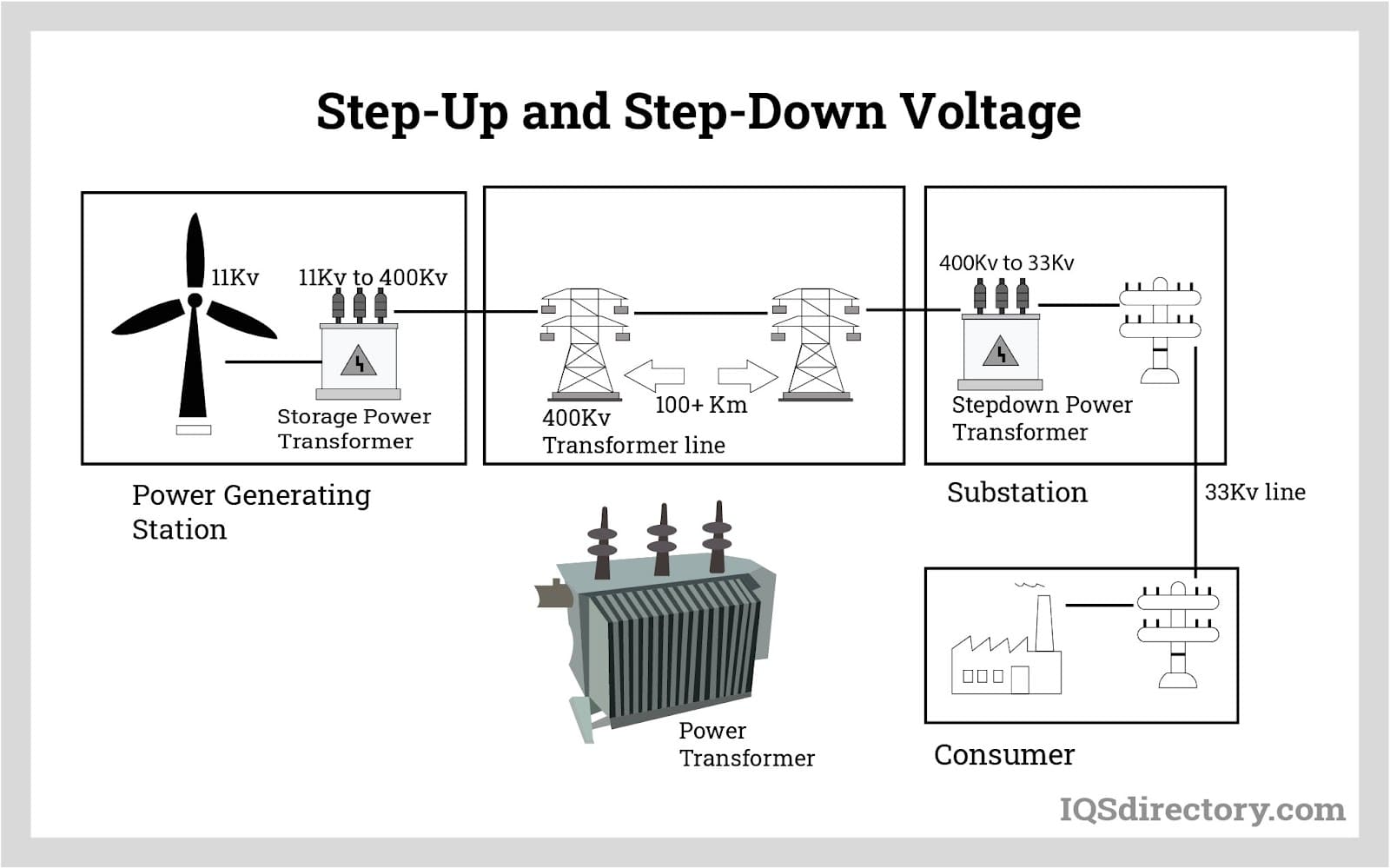
Down Transformers Simulation and Calculations Circuit Diagram These transformers are typically used in power generation plants to increase voltage to high levels for efficient and economical transmission over long distances. Key Applications of Step-Up Transformers. Step-up transformers have a wide range of applications, from power plants such as hydroelectric, thermal, renewable and nuclear to
Step-up transformers are used to ensure that the voltage supplied to transmitters, repeaters, and other communication infrastructure is at the right level. 8. High-Power Electronics and Research Facilities. Certain research facilities and high-power electronics applications also use step-up transformers. For example: That said, a very common high-voltage supply in the multiple tens of kV range can be found in every CRT: the anode supply. This varies from 10 to 50kV depending on the tube size. TV anode supplies use three key elements: primary supply (hundreds of V) flyback (step-up) transformer; Voltage tripler
Electric Power Inc. - Elect Power Circuit Diagram
A high voltage step up transformer is essential for giving an electric boost of current. Learn more about the transformer, how it works, and the practical applications. 905-564-1006; Toll Free:1-877-722-7616; sales@electpower.com; Applications of the high voltage step up transformer.
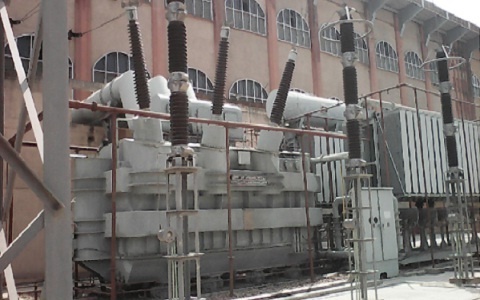
These industrial step-up transformers have several benefits in a range of applications. Effective Power Transmission: These high-voltage step-up transformers greatly minimize energy loss during transmission over long distances by sending power at a greater voltage. This reduces energy waste and results in cost savings. Reduced Cable Size: High voltage power transmission: Step-Up Transformers play a crucial role in increasing the voltage level of electrical power generated at power plants for efficient long-distance transmission applications. By stepping up the voltage, the power losses due to resistance in the transmission lines can be minimized, allowing for the efficient Transformers are vital components in modern electrical systems, facilitating the efficient transfer of power across various voltage levels. Their primary function is to step up or step down voltage, making them indispensable in applications ranging from power generation to industrial and residential use.

How Step Up Transformers Are Shaping the Future of Industrial Power Systems Circuit Diagram
This arrangement makes step-up transformers ideal for high-voltage industrial machinery or long-distance transmission applications. As an example, in the case of a 240 to 480 transformer , its output can be raised from 240V (supply or power source voltage) to 480V in order to meet the power requirements of the equipment.